
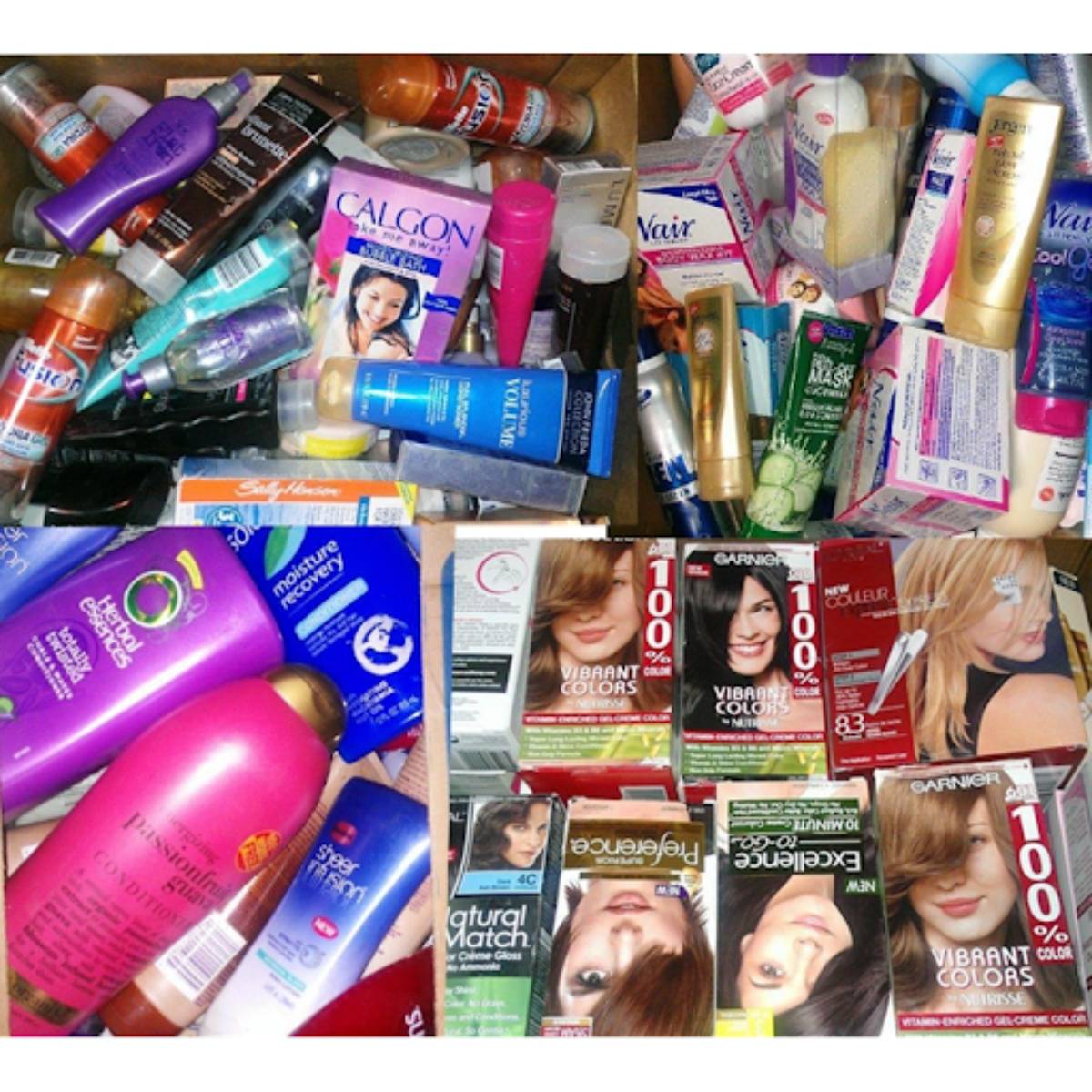
A sealed moisturiser, a boxed hairbrush and a display pack of nail accessories may look like easy resale stock. Yet beauty products come with questions that ordinary homewares often do not. Their packaging, shelf life, ingredients and storage history can affect whether they belong in a customer’s bathroom at all.
The appeal of this category is understandable. Personal-care products are familiar purchases, often small enough to store and send, and can cover several price points. An order of health and beauty pallets may help a seller test which items local shoppers want without committing to a long-running range. Still, the usefulness of any load depends on what is inside, how it has been handled and what information accompanies it.
Health and beauty pallets can contain skincare, toiletries, grooming accessories or other items, depending on a particular listing. Those categories should not be treated as interchangeable. A simple hair accessory may call for different checks from a cream intended for direct skin contact. Buyers need to assess each type against the appropriate safety and labelling rules.
For cosmetics supplied in Great Britain, product safety and labelling obligations matter. Packaging generally needs relevant product details, and the responsible-person arrangements must meet applicable requirements. The precise position can differ by product and by market, including Northern Ireland. A trader unsure about an item’s compliance should verify it before resale, rather than assuming the original retailer has answered every question.
Opened cosmetics present particular concerns. A damaged seal or unclear storage history can make products unsuitable for sale, even when the contents appear normal. Heat, leakage and missing batch information also deserve attention. Resellers should not use guesswork to decide whether a substance applied to the body remains safe. Goods that cannot be assessed adequately may need to be excluded.
Once products have passed suitable checks, commercial questions begin. A carton of identical shampoo bottles might be simple to list but compete heavily on price. A varied selection of unusual shades could take longer to match with customers.
A seller working with health and beauty pallets should build a tracking system that records product names, batches where available, condition and any relevant date markings. This makes it easier to rotate stock and respond to questions. Listings should describe the item accurately and avoid unverified claims about results, ingredients or suitability for particular skin conditions.
Packaging can be an additional cost. Fragile glass bottles need protection, liquids may have shipping restrictions and leaky containers can damage other goods. Individual picking and packing may be slow when products look similar but have different sizes or formulations.
A thoughtful product mix may include accessories alongside suitable sealed toiletries, allowing customers to browse related items. That does not justify treating every carton as immediately saleable. The best business approach separates products by condition and compliance status, then chooses sales channels that fit genuine customer needs. Trust built through clear information is difficult to replace with discounts.
Track which categories sell, how often parcels are damaged, whether returns occur and how much stock must be rejected. The figures may reveal that a narrower selection performs better than the largest available assortment. They also help avoid committing storage space to slow-moving shades or formats.
Brushes, bags and organisers may avoid some of the questions raised by creams or fragrances, but their own quality and safety still matter.
For traders who understand the safeguards, health and beauty pallets may offer an interesting route into secondary stock. But the attractive part of a resale business should be its careful service, not simply the low cost of acquiring products. In this category, checking what can safely and lawfully reach a customer is part of the business itself.