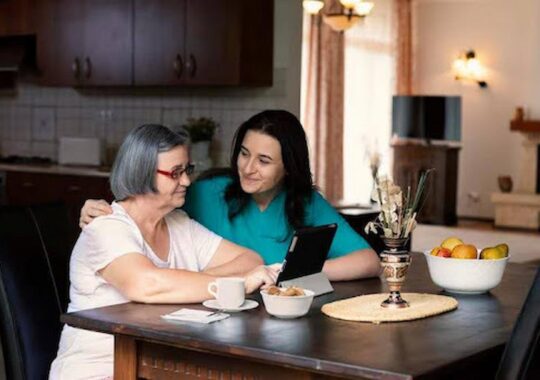
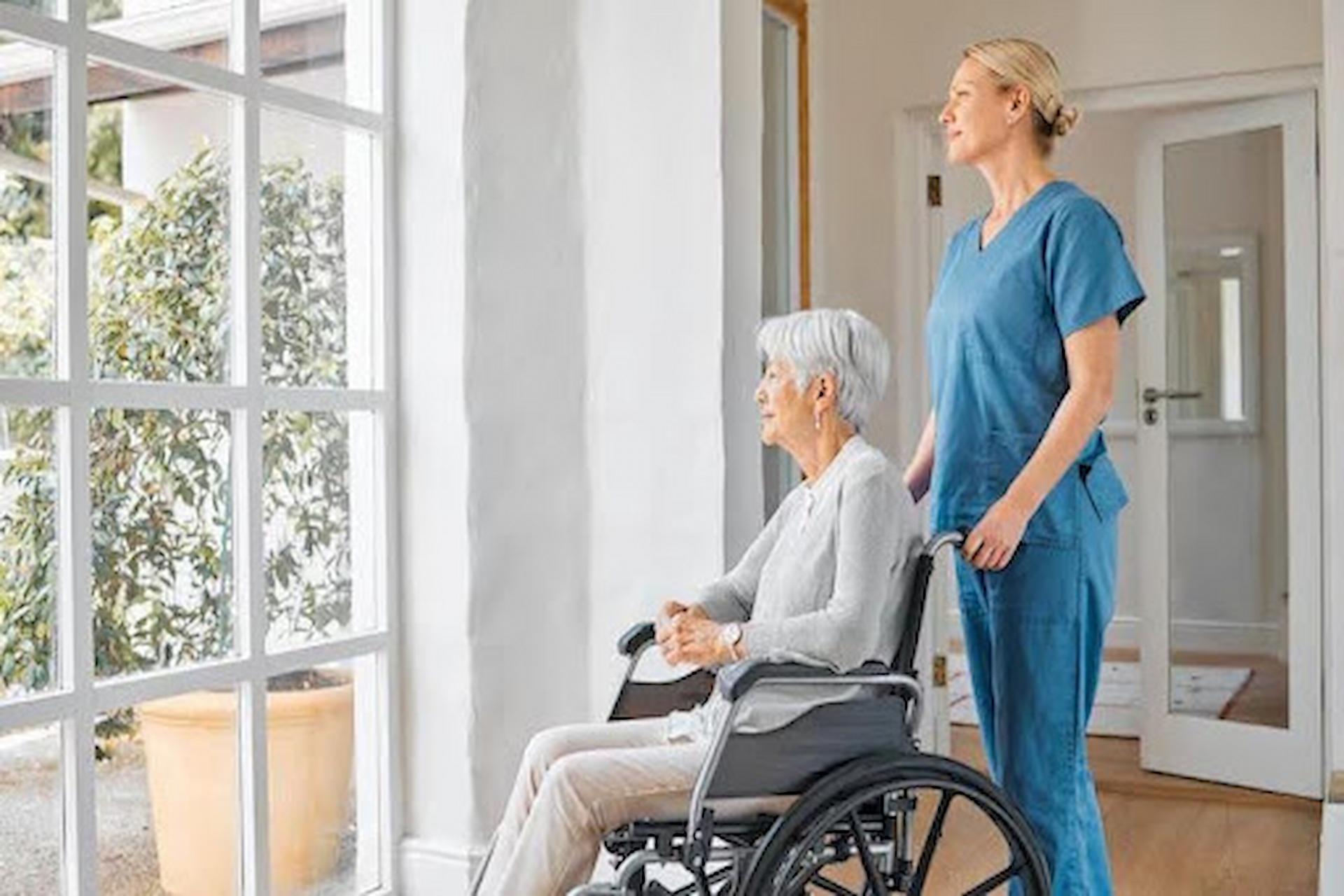
Care homes actively support residents’ mental and physical wellbeing through carefully designed routines and specialised services. Regular exercise programs, physiotherapy, and mobility support help maintain strength and independence, while social activities, hobbies, and cognitive exercises keep the mind engaged. Personalised care plans and attentive staff ensure emotional needs are met, reducing anxiety and promoting a sense of security.The article highlights how these combined practices create a healthier, more fulfilling daily life for residents.
The conversation around later-life care has changed significantly in recent years. Families now look beyond basic assistance and focus on how care environments can actively support long-term wellbeing. This shift reflects a growing understanding that physical health and mental wellbeing are deeply connected. When one improves, the other often follows.
High-quality care homes in Norwich and across the UK increasingly prioritise this balanced approach. They create structured yet flexible settings where residents can maintain independence, feel emotionally supported, and stay physically engaged. Rather than reacting to problems, modern care focuses on prevention, routine, and comfort. This article explores how that approach works in practice and why it matters for long-term quality of life.
A Holistic View of Wellbeing in Later Life
Wellbeing is not defined by the absence of illness. It includes emotional stability, physical comfort, confidence, and a sense of purpose. Care environments that recognise this tend to perform better across health outcomes and resident satisfaction.
Why mind and body must be supported together
Mental wellbeing influences motivation, sleep quality, appetite, and movement. Physical discomfort or inactivity can, in turn, increase anxiety or low mood. Effective care models recognise this relationship and address both areas at the same time.
Key principles include:
- Maintaining daily structure without rigidity
- Encouraging movement in safe, manageable ways
- Reducing stress through calm surroundings
- Supporting emotional security through familiar routines
This balanced model helps residents feel more in control of their daily lives.
Daily Routines That Promote Physical Strength
Physical activity in care settings does not mean intense exercise. Instead, it focuses on gentle, consistent movement that supports mobility, balance, and circulation.
Movement woven into everyday life
Care homes often integrate activity into daily routines rather than separating it as a formal task. Simple actions such as walking short distances, light stretching, or supported standing all contribute to strength and confidence.
Benefits of regular movement include:
- Improved joint flexibility
- Better balance and reduced fall risk
- Enhanced digestion and circulation
- Greater independence in daily tasks
According to UK health guidance, even light daily activity can significantly reduce the risk of mobility decline in older adults.
Nutrition as a Foundation for Wellbeing
Food plays a central role in both physical health and emotional comfort. Well-planned meals support energy levels, immunity, and mood.
Balanced meals with consistency and choice
Care environments prioritise regular, nutritious meals while allowing personal preferences. Predictable meal times support digestion and reduce anxiety, while variety helps maintain appetite.
Good nutrition supports:
- Muscle strength and bone health
- Stable blood sugar levels
- Improved concentration and alertness
- Emotional satisfaction through routine
Clear hydration routines are also essential, as dehydration can affect both physical comfort and cognitive clarity.
Supporting Emotional Stability and Mental Health
Mental wellbeing often depends on feeling safe, valued, and understood. Care settings that prioritise emotional health create environments where residents can relax and engage at their own pace.
Reducing stress through environment and routine
Calm surroundings, familiar schedules, and consistent care teams help reduce uncertainty. Predictability allows residents to feel secure, which directly supports emotional balance.
Mental wellbeing is strengthened through:
- Quiet spaces for rest and reflection
- Respect for personal routines
- Supportive communication from staff
- Opportunities for social interaction without pressure
Research shows that stable routines can reduce agitation and improve sleep quality in older adults.
Social Connection Without Pressure
Human connection remains vital at every stage of life. However, social engagement should feel natural rather than forced.
Flexible interaction that respects individuality
Care settings often offer optional group activities alongside one-to-one interaction. This allows residents to engage when they feel comfortable and step back when they need quiet time.
Positive social engagement supports:
- Emotional resilience
- Reduced feelings of isolation
- Cognitive stimulation
- A stronger sense of belonging
Importantly, participation is encouraged but never compulsory, respecting personal preferences and energy levels.
Personal Care That Preserves Dignity
Physical wellbeing is closely linked to how personal care is delivered. When care respects privacy and independence, confidence improves.
Care delivered with respect and reassurance
Support with dressing, bathing, or mobility is offered in a way that maintains dignity. Clear explanations and consistent carers help residents feel comfortable and in control.
This approach leads to:
- Reduced anxiety during care routines
- Greater trust between residents and staff
- Improved cooperation and comfort
- Stronger emotional wellbeing
Feeling respected supports mental health just as much as physical comfort.
The Role of Environment in Everyday Comfort
The physical setting itself has a powerful impact on wellbeing. Lighting, layout, and noise levels all influence mood and movement.
Design choices that support health
Thoughtful environments often include:
- Clear walkways to encourage safe movement
- Natural light to support sleep patterns
- Comfortable seating to reduce strain
- Calm colour schemes to ease anxiety
These elements work together to create spaces that feel welcoming rather than clinical.
Cognitive Engagement Through Simple Activities
Mental stimulation does not require complex programmes. Simple, familiar activities can be highly effective.
Keeping the mind active without overwhelm
Activities may include reading, music, conversation, or light creative tasks. The goal is gentle engagement rather than performance.
Cognitive engagement supports:
- Memory retention
- Attention and focus
- Emotional expression
- Overall confidence
Regular mental activity has been linked to slower cognitive decline when matched to individual ability levels.
Key Takeaways for Families and Decision-Makers
When assessing care options, focus on how wellbeing is supported day to day rather than on facilities alone.
Practical points to consider:
- Look for routines that balance structure with flexibility
- Observe how movement is encouraged safely
- Notice whether emotional comfort is prioritised
- Check how personal preferences are respected
- Ask how mental stimulation is supported
These factors often have a greater impact on wellbeing than location or size.
Final Thoughts
The best care environments recognise that wellbeing is ongoing, not static. Physical strength, emotional comfort, and mental clarity all change over time and require responsive support. By choosing settings that prioritise balance, families can feel confident their loved ones are supported holistically.
Well-run care homes in Norwich increasingly reflect this modern approach. They focus on dignity, routine, and gentle encouragement rather than rigid schedules or one-size-fits-all care. When care supports both mind and body, residents are better positioned to enjoy daily life with comfort and confidence. Families seeking long-term peace of mind should look for environments that treat wellbeing as a shared, everyday priority rather than an added feature.