
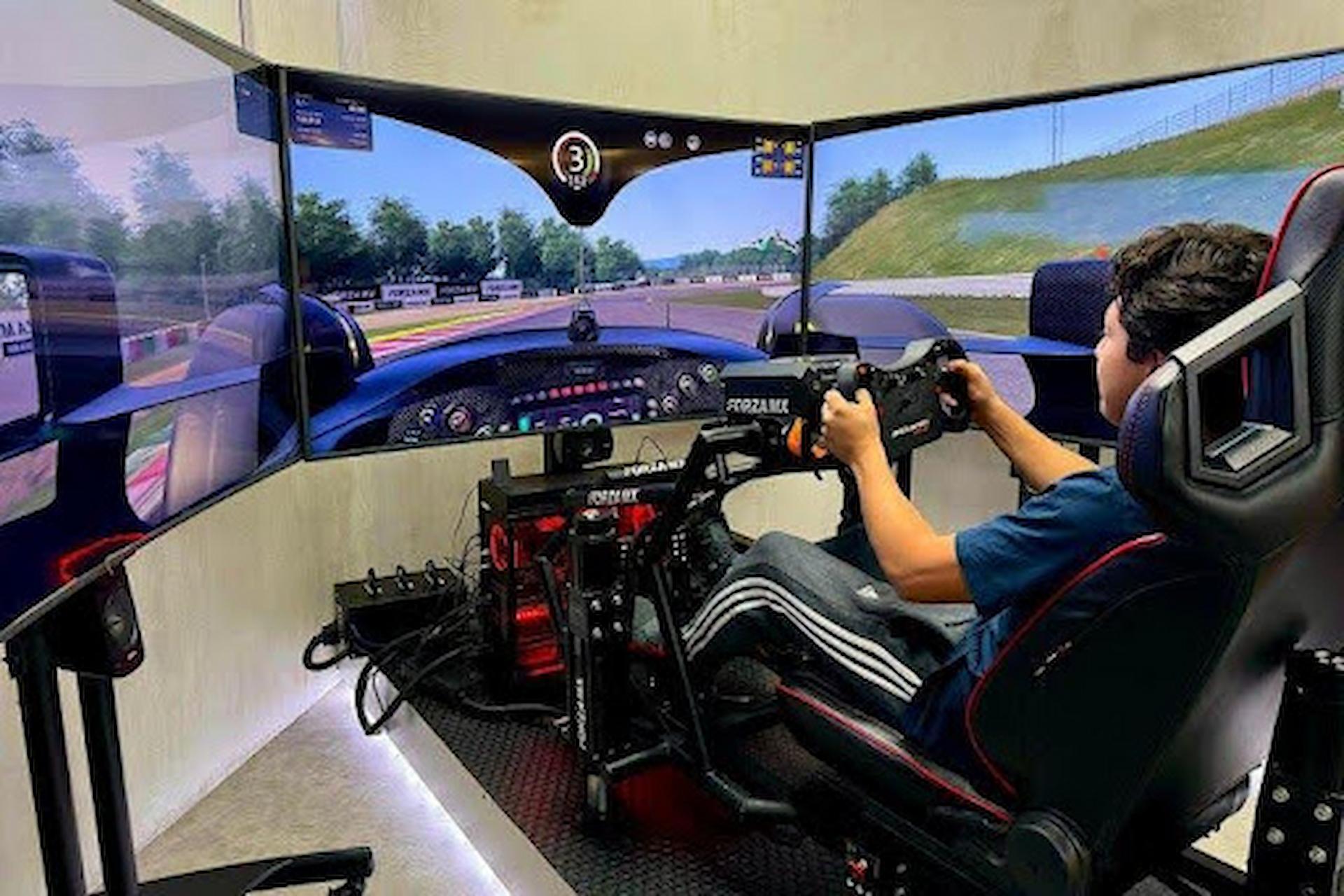
Sim racing isn’t just about speed—it’s a test of strategy, precision, and control. Whether you’re just starting or aiming to compete at higher levels, mastering the right skills and training techniques can dramatically elevate your performance. Ready to race smarter, faster, and more confidently?
Sim racing has evolved into a competitive and highly realistic motorsport alternative, attracting thousands of enthusiasts worldwide. Becoming a skilled sim racer takes more than simply stepping into a virtual car and pressing the accelerator. It requires discipline, practice, technical understanding, and smart training just like real-world motorsport. With the right approach, anyone can dramatically improve speed, consistency, and racecraft.
A Look at the Basics of Control and Consistency
Success in sim racing begins with developing smooth, deliberate control over the steering, throttle, and braking. Many new racers focus only on achieving top speed, but the fastest laps typically come from refined precision rather than aggressive driving. Consistency—being able to repeat the same lap time within a very small margin—is what separates mid-pack drivers from frontrunners in a competitive sim race environment. Precision driving keeps the car balanced through corners, reducing tyre wear and preventing unnecessary sliding. Because tyre temperature and grip levels vary throughout a session, especially during longer stints in a sim race, learning how to maintain stability and control at different stages is essential for sustained performance and race success.
Essential Driving Techniques to Practice
- Focus on smooth steering inputs instead of sudden movements.
- Apply progressive braking rather than stamping on the pedal.
- Learn the racing line: the optimal path through each corner.
- Master trail braking—releasing brake pressure gradually into a corner—to improve control.
When you repeat these actions consistently, muscle memory develops, enabling faster reaction times and reducing mistakes during competitive races.
The Role of Equipment and Setup in Performance
The tools you use can significantly influence your experience and improvement. Although talent matters more than hardware, the right equipment helps you achieve better control and realism. Wheel bases, adjustable pedals, and sturdy racing rigs enhance precision and feedback, making training more effective.
A force-feedback steering wheel allows you to feel tyre grip, surface bumps, and car weight transfer. This feedback helps you respond instinctively instead of guessing, which is crucial during high-speed cornering.
Pedal precision is equally important. Load-cell brake pedals simulate real braking pressure, making it easier to control stopping distances and threshold braking—braking at the maximum level before tyres lose grip.
Key Setup Essentials for Improvement
- Ensure your seating position mimics a real driving posture.
- Adjust force-feedback strength to feel car behaviour clearly.
- Use proper field-of-view (FOV) settings to judge distance accurately.
- Practice using the same setup regularly to build consistency.
Training Techniques to Sharpen Racecraft and Strategy
Speed alone will not win races—racecraft, or how you manage traffic and overtakes, is equally important. Many racers lose time or positions due to over-defending, risky moves, or panic when pressured. Developing calm awareness improves decision-making and leads to smarter, cleaner racing.
Learning when to attack, defend, and wait is a key part of progression. Situational awareness can be built through practice in controlled racing environments such as time trials, ghost laps, or AI races.
Actionable Training Tips to Improve Performance
- Study telemetry data: Analyse braking points, acceleration zones, and steering movement to find weak spots.
- Practice on one track repeatedly: Mastery builds confidence and reveals how tiny changes affect lap time.
- Use ghost laps and replays: Compare your laps with faster benchmarks for learning opportunities.
- Train race starts separately: Starting well can gain multiple positions instantly.
Shorter focused practice sessions—20 to 30 minutes at a time—are often more effective than long, unfocused sessions.
Learning from Mistakes and Building a Winning Mindset
One of the biggest differences between average and elite drivers is the ability to accept mistakes, analyse them, and adjust. Instead of restarting after a small error, try finishing the lap while controlling the car. This teaches stability and recovery, valuable skills in real race conditions.
Many top drivers approach training scientifically: they set specific goals, measure progress, and develop routines. Treating every practice race as an opportunity for improvement strengthens confidence and composure.
Over time, mental resilience becomes just as important as physical control. Staying calm under pressure helps you make smarter choices during tight battles or unpredictable situations.
Essential Takeaways to Get Better Faster
- Slow down to go faster—smoothness beats aggression.
- Consistency matters more than one perfect lap.
- Invest in proper equipment only when essential for improvement.
- Analyse telemetry and replays to understand performance gaps.
- Train with intention: short sessions, focused goals, repeatable practice.
Final Thoughts
Becoming a competitive sim racer is a journey that demands patience, discipline, and structured practice. Improving your driving technique, optimising your equipment, mastering racecraft, and developing a strong mindset all play vital roles in elevating your performance. The best gains come from focusing less on raw speed and more on consistency, smoothness, and smart decision-making. With time and deliberate training, every driver can transform from beginner to confident competitor.
Start applying the strategies shared above in your next session. Set clear goals, track your progress, and commit to improving one small skill at a time. The path to becoming a better driver begins with the next lap—so strap in, stay focused, and keep racing forward.