
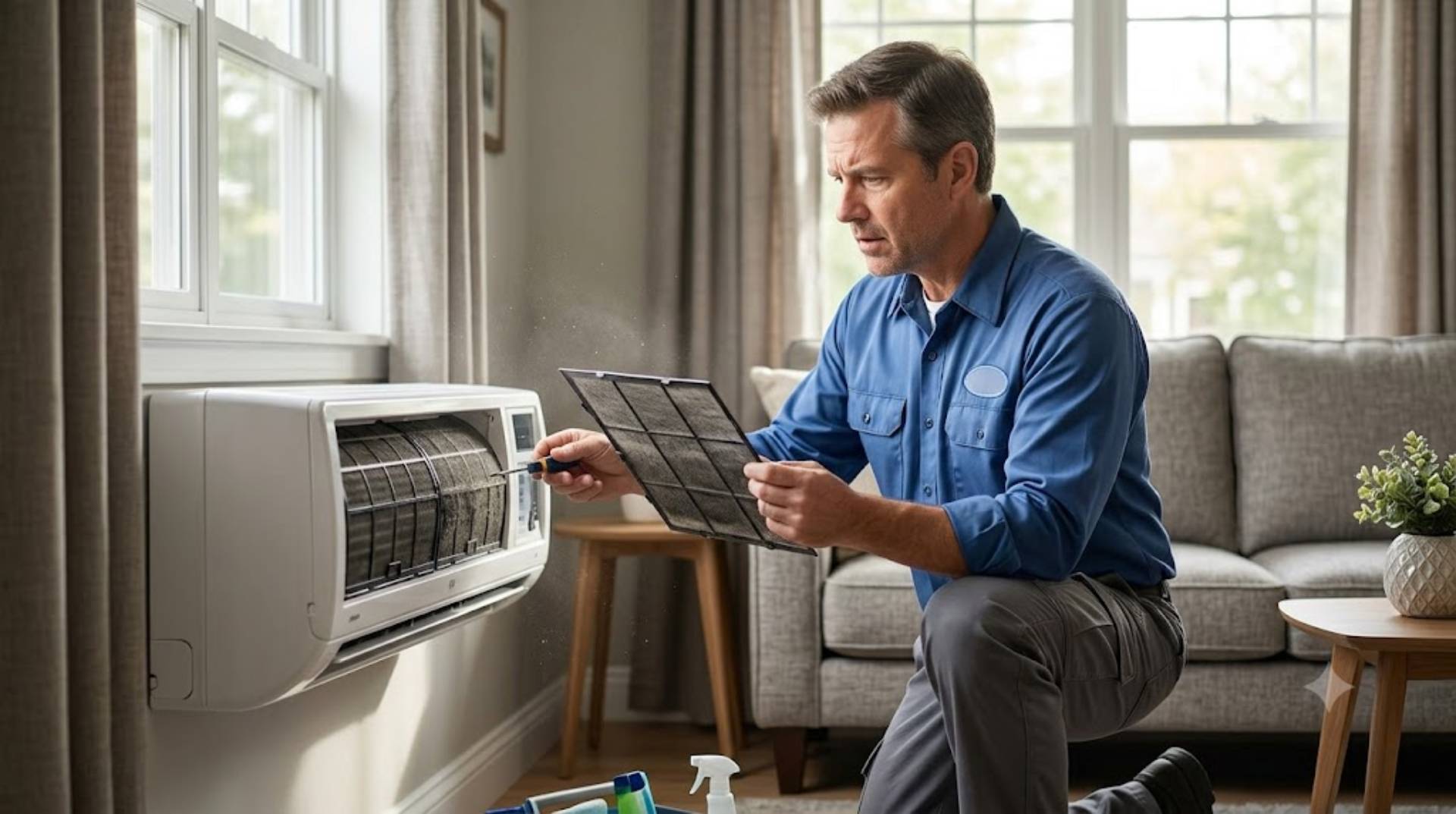
Air conditioning equipment rarely fails without giving clear warning signals first. Most mechanical breakdowns stem from small, overlooked operational changes that gradually strain critical system components. Homeowners who recognize these subtle performance shifts can address mechanical wear before experiencing complete cooling loss during peak summer heat. You will learn how to identify warning signs indicating your air conditioner requires professional diagnostic attention.
Ignoring slight airflow reductions, unusual noises, or rising utility costs forces cooling hardware to work harder than necessary. Over time, uncorrected operational stress leads to major component damage and unexpected system lockouts. Investing in a professional AC tune up Maysville allows certified technicians to clean restricted coils, test electrical capacitors, and calibrate refrigerant levels before summer heat places extreme demands on your system.
Performance Degradation and Airflow Impediments
A noticeable decline in cooling capacity often serves as the first indication of internal mechanical distress. When supply vents discharge lukewarm air or airflow velocity drops significantly across multiple rooms, the cooling system struggles to maintain basic thermostat setpoints. Dust buildup on indoor evaporator coils or restricted air filters acts as a thermal barrier, slowing down efficient heat exchange processes.
Restricted airflow creates severe pressure imbalances that threaten vital refrigeration circuit components. When air handler blowers cannot draw sufficient air across evaporator coils, internal temperatures drop rapidly, causing condensed moisture to freeze solid on copper lines. Frozen coils block airflow entirely, forcing compressors to operate under high suction pressure differentials that accelerate internal valve degradation and risk total mechanical failure.
Scheduling a comprehensive AC tune up Maysville ensures certified technicians measure static pressure and clean restricted coil surfaces thoroughly. Technicians evaluate blower motor amperage draws and clean fan blades to restore proper cubic feet per minute airflow ratings. Resolving airflow bottlenecks restores balanced thermal transfer, lowers daily electrical consumption, and prevents liquid refrigerant from flooding back into the compressor.
Auditory Warnings and Moisture Accumulation
Unusual sounds during equipment startup or operation indicate mechanical looseness or electrical component failure. Metal grinding noises suggest dry motor bearings inside the outdoor condenser fan or indoor blower wheel. Buzzing sounds near electrical contactors usually point to loose wire terminations or failing dual-run capacitors, which require immediate replacement to avoid severe motor winding damage.
Standing water around indoor air handlers or outdoor condenser cabinets signals drain line blockages or evaporator pan overflows. Air conditioners remove significant atmospheric moisture during cooling cycles, draining liquid through clear PVC discharge pipes. Dust and organic algae frequently combine inside condensate pans, forming thick gel obstructions that back up water, threaten interior drywall, and trip safety switches.
Primary Indicators Requiring Expert Attention
Recognizing operational red flags enables homeowners to take action before minor component wear causes complete system failure. Paying close attention to daily cooling behavior helps protect expensive mechanical investments. Homeowners should schedule a comprehensive seasonal inspection upon noticing any of these operational warnings:
- Unexpected increases in monthly electric utility bills without corresponding changes in weather severity.
- Frequent short-cycling where the cooling unit turns on and off rapidly without reaching thermostat setpoints.
- Persistent musty odors emerging from supply registers during initial equipment startup cycles.
- Visible frost or ice buildup forming along copper suction lines near the outdoor condenser unit.
- Humidity levels remaining uncomfortably high inside living spaces despite continuous system operation.
Electrical Calibration and Refrigerant Verification
Professional diagnostic evaluations extend beyond visual cleaning to include advanced electrical and chemical system measurements. Technicians test microfarad ratings on starting capacitors, replacing weak electrical components before they fail under heavy starting loads. Tightening terminal connections and measuring contactor voltage drops prevents dangerous electrical arcing that can destroy sensitive control circuit boards.
Verifying precise refrigerant subcooling and superheat levels ensures optimal heat absorption inside the sealed cooling loop. Operating with even a slight refrigerant undercharge increases compressor discharge temperatures, breaking down internal synthetic lubricants and shortening mechanical lifespans. Professional calibration aligns system pressures with manufacturer design specifications, ensuring quiet, reliable performance throughout the hottest summer months.
Recognizing early warning signs prevents sudden cooling interruptions and protects residential HVAC machinery from premature mechanical failure. Addressing unusual noises, high humidity levels, and airflow restrictions keeps systems operating efficiently and quietly. Taking a proactive approach to seasonal diagnostic service lowers monthly operational costs, protects interior air quality, and extends the overall working lifespan of your cooling investment.
Schedule Seasonal Care
Recognizing early warning signs, maintaining clean air pathways, and scheduling regular seasonal diagnostics protects your cooling equipment from sudden failure. Timely professional attention preserves energy efficiency, prevents costly emergency repairs, and maintains steady home comfort during severe summer heat. Take charge of your indoor environment today by contacting a certified technician to perform a full system inspection and optimize your air conditioner.