
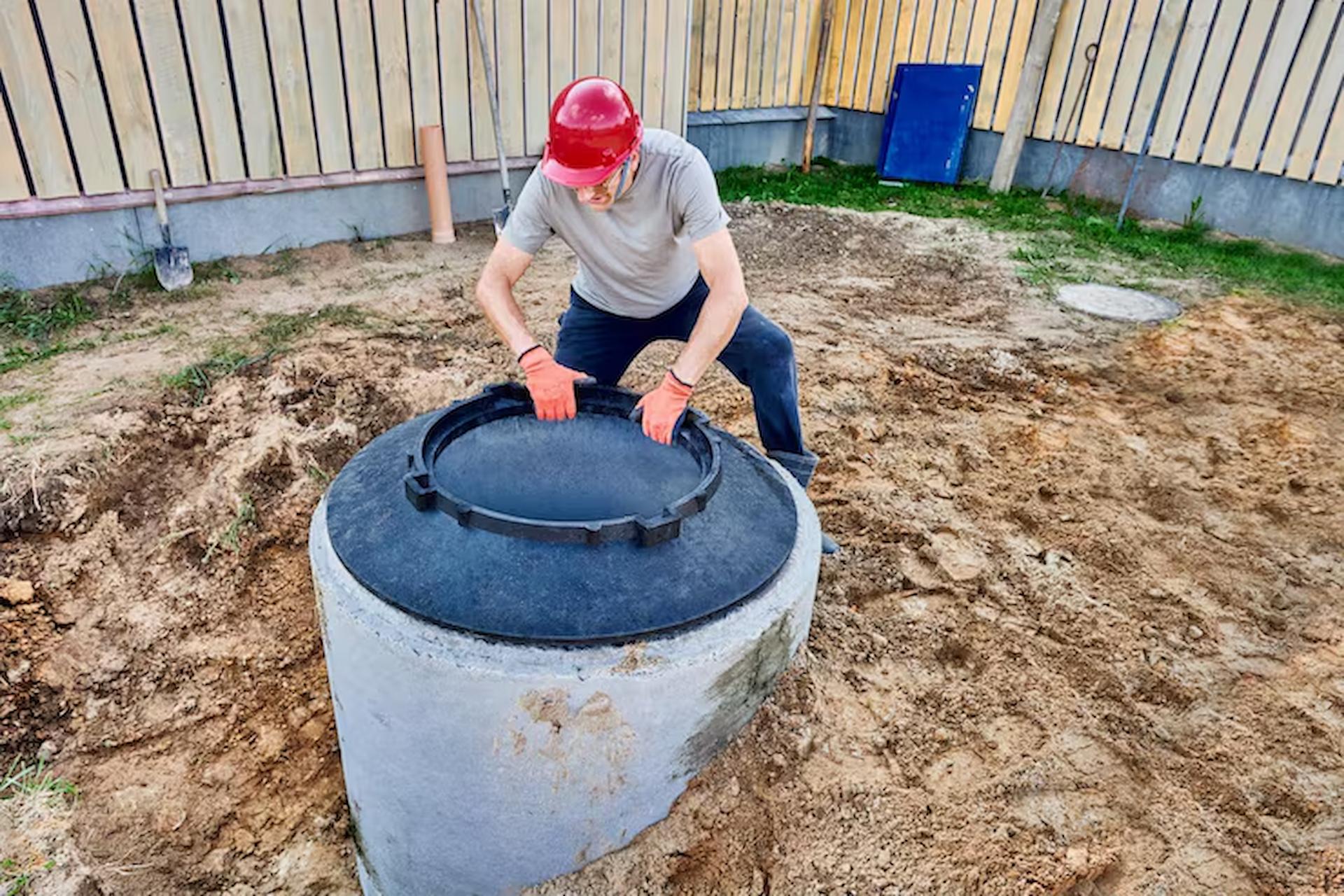
Managing a residential property with an independent waste network requires a clear understanding of how household plumbing interacts with underground treatment systems. Unlike municipal sewer configurations that handle waste automatically, a private setup requires consistent attention to prevent expensive backups, structural damage, and foul environmental odors. Implementing smart, daily habits protects your property investment and ensures your entire grid flows smoothly throughout the shifting seasons.
Thus, maintaining a balanced ecosystem within your waste holding tank is essential for long-term operational success. Scheduling regular septic pumping in Fort Collins, CO, before the arrival of heavy winter freezes or large household gatherings prevents catastrophic system overflows. This initial preventative measure keeps your plumbing lines clear and allows natural bacteria to break down organic solids efficiently without any mechanical interruptions.
The Mechanical Logic of Waste Processing
An independent waste system relies on a delicate balance of physical settling and biological decomposition to process wastewater safely. When water leaves your sinks or toilets, it travels down your primary plumbing lines and enters the main holding tank. Here, heavy solids drop directly to the bottom to form sludge, while lighter oils and grease float to the surface as scum.
The remaining liquid layer, known as effluent, flows out into a dedicated absorption field where the soil filters out harmful pathogens naturally. If the solid sludge layer grows too deep, it can escape into the absorption field, clogging the soil pores permanently. This catastrophic failure causes toxic wastewater to back up into your home or bubble up directly into your lawn.
Protecting Your Underground Infrastructure
Preventing physical blockages requires paying close attention to what enters your drains every day. Many household products marketed as flushable do not dissolve in water, creating thick clogs that strain your pipes. Coordinating routine septic pumping in Fort Collins, CO, ensures that these non-biodegradable items are removed safely before they cause permanent damage to your internal plumbing joints or block the tank inlet.
- Never Flush Plastics: Items like wet wipes, dental floss, and feminine products will never dissolve, causing rapid mechanical blockages.
- Avoid Harsh Chemicals: Excessive bleach, drain cleaners, and synthetic solvents kill the beneficial bacteria needed to digest organic waste.
- Collect Cooking Oils: Pouring grease down the kitchen sink coats your pipe walls, trapping food particles and narrowing the passage.
- Limit Garbage Disposals: Heavy use of food grinders introduces too many solid particles, overloading your tank’s natural capacity.
- Use Septic Safe Paper: Opt for biodegradable toilet paper that breaks down quickly when exposed to moisture and bacteria.
Water Conservation and System Equilibrium
The total volume of water your household consumes directly impacts the efficiency of your waste treatment system. If you run multiple water-heavy appliances simultaneously, you risk flooding your holding tank with excessive liquid. This sudden hydraulic overload forces unfinished waste out into the absorption field before the solids have had a proper chance to settle down.
Spacing out laundry loads across the week and installing low-flow fixtures helps maintain a stable hydraulic equilibrium. This mindful water management allows your plumbing network to breathe, reducing static pressure on your valves and preventing premature pipe leaks. A balanced system operates quietly and efficiently, protecting your household budget from emergency repair expenses.
Indicators That Your System Needs Attention
Detecting potential failures early requires monitoring your home’s physical environment and plumbing performance closely. Homeowners focused on proactive property care can look for specific symptoms that suggest your underground infrastructure is losing its efficiency. If you observe any of these common warning signs, it is time to contact a certified specialist immediately:
- Gurgling Drain Pipes: Annoying noises coming from your fixtures when a toilet flushes mean air is trapped by a blockage.
- Slow Draining Sinks: Water that lingers in your shower basin indicates a deep restriction within your primary waste line.
- Lush Green Grass: Unusually vibrant, soggy patches of lawn over your absorption field signal that wastewater is rising upward.
- Persistent Foul Smells: Rotten egg or sewage odors inside your home mean gases are backing up through dry P-traps.
- Fixtures Backing Up: Finding dark water rising into your basement drains points directly to a critical holding tank overload.
The Relationship Between Waste Systems and Home Comfort
A healthy plumbing network directly supports your overall home comfort and indoor air quality. When waste lines flow freely without restrictions, your home remains free from hazardous sewer gases and unhealthy moisture buildup. This clean operational environment works in perfect harmony with your household ventilation systems, ensuring your indoor spaces stay fresh, safe, and completely inviting all year long.
End Note
Maintaining a healthy septic and plumbing system involves combining water conservation, smart disposal habits, and professional care. Regulating daily water volume and avoiding harsh chemicals protects the natural bacterial balance necessary for organic decomposition. Prioritizing regular holding tank pumping eliminates heavy sludge buildup, preventing expensive absorption field failures and structural backups. Staying proactive with your waste system care preserves your real estate asset, enhances indoor safety, and delivers absolute peace of mind and long-term financial security for your family through every season.