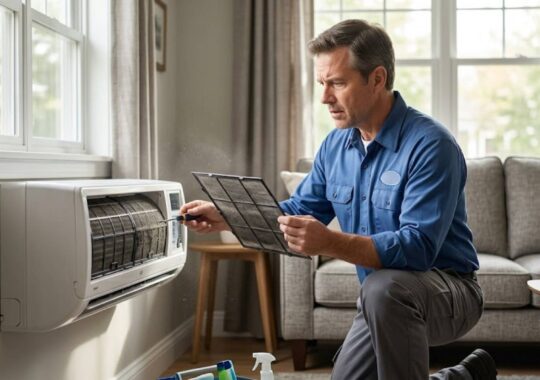
A heater is one of the most important systems in any home. When it works well, it keeps indoor spaces warm and comfortable with minimal effort. When it fails, the problem becomes clear very quickly. Strange noises, weak heat, or sudden shutdowns can disrupt daily life and raise concerns about safety and comfort. Understanding common heater problems helps homeowners respond early and avoid larger issues.
Many heating problems start small. A slight change in sound, airflow, or temperature can indicate an issue. Knowing what to look for allows you to act before the system stops working completely. Homeowners who stay informed often handle heater repair in Lebanon, TN more confidently and with better results. Timely heater repair in Lebanon, TN can prevent discomfort during colder periods and protect the system from further damage.
Why Heater Problems Happen Over Time
Heating systems work hard during colder months. Daily use causes natural wear on parts and connections. Dust buildup, loose components, or delayed maintenance can slowly affect performance. Over time, these small issues can add up and reduce system reliability. Many homeowners in Lebanon, TN, seek heater repair when early warning signs are ignored. Prompt heater repair in Lebanon, TN helps restore safe and steady operation before conditions worsen.
Regular care reduces the chance of sudden breakdowns. However, even well-maintained systems can develop problems. Recognizing common issues makes it easier to decide when action is needed and what steps to take next.
Problem One: Heater Will Not Turn On
One of the most concerning issues is a heater that does not start. This problem can feel urgent, especially during cold weather. In many cases, the issue is related to power supply or control settings. A system may fail to turn on if it is not receiving power or if the settings are incorrect.
The first step is to check the thermostat and ensure it is set to heating mode. Next, verify that the system has power and that no safety switches have been triggered. If these steps do not restore operation, professional inspection is often required to identify deeper issues.
Problem Two: Weak or Uneven Heating
When a heater runs but does not warm the home evenly, airflow or internal balance may be the cause. Some rooms may feel comfortable while others remain cold. This uneven performance often develops gradually.
Restricted airflow is a common factor. Dust buildup or internal wear can reduce heat movement through the system. Addressing the issue early helps restore balanced warmth and prevents strain on the heater, which would otherwise work harder to compensate.
Problem Three: Unusual Noises During Operation
Heating systems usually operate with familiar, steady sounds. When new noises appear, they often signal internal changes. Rattling, humming, or banging sounds can indicate loose parts or shifting components.
Ignoring unusual sounds can lead to more serious damage over time. A professional inspection can identify the source and correct it before the issue spreads. Quiet operation often returns once the underlying cause is addressed.
Problem Four: Heater Turns On and Off Frequently
Short cycling happens when a heater turns on and off more often than usual. This pattern reduces efficiency and increases wear on the system. It can also make indoor temperatures feel unstable.
Short cycling is often linked to control issues or overheating protection. When the system senses a problem, it may shut down as a safety measure. Identifying and correcting the cause helps restore smooth operation and improve system life.
Problem Five: Rising Energy Bills Without Better Heat
An unexplained increase in energy costs may indicate heater trouble. When a heater works harder but delivers less warmth, efficiency has likely dropped. This can happen when internal components are worn or when airflow is restricted.
Addressing efficiency issues early can reduce energy waste. Once the heater operates more smoothly, heating costs often stabilize, and comfort improves throughout the home.
Problem Six: Dry or Uncomfortable Indoor Air
Heating systems affect indoor air quality and temperature. When a heater malfunctions, indoor air can feel dry or stale. This discomfort often develops during extended heating periods.
Proper system operation supports better air movement and comfort. Correcting heater issues helps maintain a more balanced indoor environment and reduces irritation caused by overly dry air.
Problem Seven: Heater Shuts Down Unexpectedly
A heater that stops during operation can feel unpredictable and frustrating. Sudden shutdowns are often caused by safety systems responding to internal conditions. This protects the system but leaves the home without heat.
When shutdowns occur, a professional evaluation is important. Identifying the trigger enables targeted repairs to restore safe, reliable heating.
When to Seek Professional Heater Repair
Some heater concerns can be checked quickly, but many require trained attention. Delaying professional service often allows small problems to grow. Early repair protects comfort and system reliability.
Experienced technicians can accurately diagnose issues. Their expertise helps ensure repairs address the actual cause rather than just symptoms. This approach supports long-term performance and peace of mind.
Conclusion: Staying Ahead of Heater Problems
Heater problems are common, but they do not have to become emergencies. By understanding the most frequent repair issues, homeowners can act quickly and wisely. Early attention helps prevent discomfort, protects energy efficiency, and extend system life.
A reliable heater supports daily comfort and safety. When issues arise, timely repair and professional care make all the difference. Staying informed and proactive ensures your heating system remains dependable when you need it most.