A bathroom renovation touches almost every system in a small space—plumbing, electrical, ventilation, waterproofing, lighting, and finishes. When planned well, the result feels more comfortable, stores what you need, stays safer underfoot, and works better for every stage of life. When planned poorly, it becomes an expensive source of leaks, clutter, and daily frustration.
This guide walks through the decisions that matter most so you can improve function without unnecessary complexity or cost.
Start by Setting Clear Priorities
Begin with how the bathroom is used today and how you want it to work in five or ten years. List the biggest pain points: not enough storage, poor lighting, a cramped shower, slippery floors, or difficulty stepping into a tub. Rank them. Comfort, storage, safety, and accessibility often rise to the top because they affect every visit.
Decide early whether you need a full layout change or can improve the existing footprint. Moving drains or supply lines adds significant cost and complexity. Keeping the toilet, sink, and shower in roughly the same places usually keeps the project more manageable while still allowing meaningful upgrades.
Improve the Layout Without Starting Over
Even modest layout adjustments can make a bathroom feel larger and easier to use. Consider:
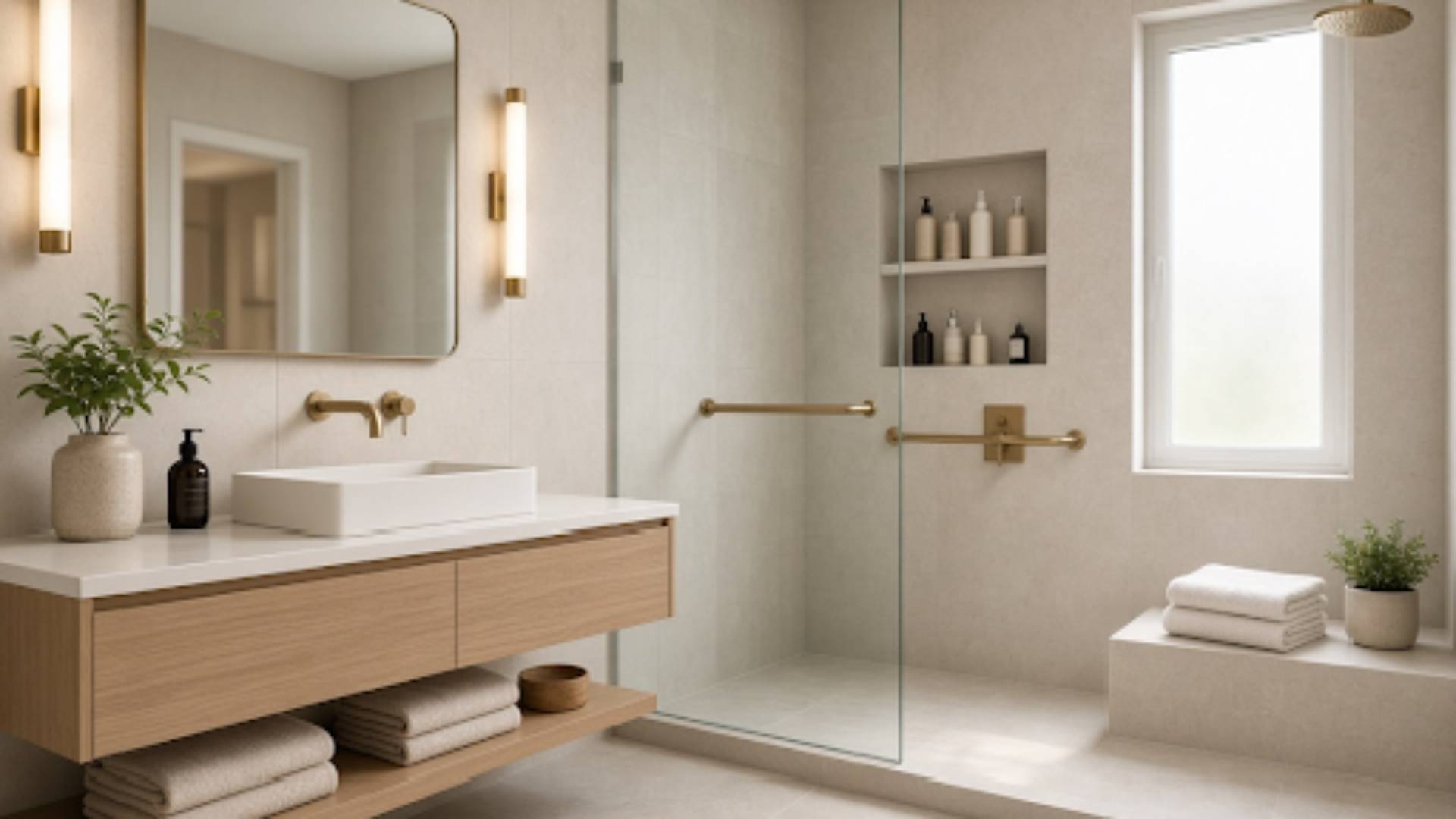
- Replacing a standard tub with a walk-in shower to free floor space and reduce trip hazards
- Choosing a floating or wall-mounted vanity to open visual space and simplify cleaning
- Adding a niche or recessed shelf inside the shower for bottles instead of cluttering the edges
- Creating a clear path from the door to the toilet and shower that stays open even when the door swings
Measure carefully. Leave enough room to dry off, reach towels, and open cabinets without bumping into fixtures. In smaller bathrooms, every inch of clear floor space improves comfort and safety.
Plan Storage That Actually Works
Clutter is the enemy of a calm bathroom. Good storage keeps counters clear and daily items within easy reach.
Effective options include:
- A vanity with deep drawers and organizers instead of a single open cabinet
- Tall, narrow cabinets that use vertical space without crowding the floor
- Mirrored medicine cabinets that hide toiletries while providing extra light
- Built-in niches in the shower and above the toilet
- Open shelves only for items that stay neat and are used often
Think about what belongs in the bathroom versus what can live in a nearby linen closet. Assign a home for towels, extra toilet paper, cleaning supplies, and personal items so surfaces stay usable.
Choose Fixtures for Comfort and Longevity
Fixtures set the daily experience. A walk-in shower with a low or curbless threshold feels more open and is easier to enter as mobility needs change. A quality showerhead with adjustable height and spray patterns improves comfort without requiring a full redesign. If you keep a tub, make sure the height and shape allow safe entry and exit.
Vanities should offer solid construction, soft-close drawers, and a counter height that feels natural for the primary users. Toilets with elongated bowls and comfort-height seats reduce strain. Faucets and shower controls that are easy to operate with wet hands or limited grip make a noticeable difference.
Select durable materials that resist moisture and clean easily. Porcelain or ceramic tile, quality quartz or solid-surface counters, and well-sealed painted or moisture-resistant cabinetry hold up better over time than cheaper alternatives that swell or stain.
Lighting, Ventilation, and the Invisible Details
Good lighting reduces shadows at the mirror and makes the room feel safer. Combine overhead light with vertical fixtures or sconces on either side of the mirror to avoid face shadows. Add a dimmer if the bathroom is also used for evening routines. Moisture-rated fixtures are essential.
Ventilation removes humidity that damages finishes and encourages mold. A quiet, properly sized exhaust fan vented to the outside (not the attic) is one of the most valuable upgrades in any bathroom renovation. Run it during and after showers.
Electrical work in wet areas requires GFCI protection and careful planning. Outlets near the vanity and proper lighting circuits should be installed by a qualified professional.
Safety and Accessibility That Support Real Life
Slip-resistant flooring is non-negotiable. Choose tile or other surfaces with texture suitable for wet feet. Add grab bars in the shower and near the toilet even if they are not needed today—they can be installed to look intentional rather than institutional. A shower seat or bench, handheld showerhead, and lever-style handles improve usability for many people.
These features support aging in place without making the bathroom feel clinical. Wide doorways, clear floor space for turning, and easy-to-reach controls benefit everyone, not only older users.
Waterproofing and Why Professionals Matter
Water is the biggest long-term threat in a bathroom. Proper waterproofing behind tile, at the shower base, around the tub, and under flooring prevents leaks that damage framing and create costly repairs later. This work is not a DIY-friendly detail in most cases.
Plumbing modifications, electrical upgrades in wet locations, and structural changes also require licensed professionals. Building codes exist for safety and durability. Skipping qualified help on these systems often costs more in the long run through failed inspections, leaks, or unsafe conditions.
Budget Updates Versus Premium Transformations
Cosmetic updates—new paint, hardware, lighting, a refreshed vanity top, and better storage organizers—can noticeably improve comfort and appearance at a lower cost. They work best when the layout already functions well and the underlying plumbing and waterproofing are sound.
A more complete renovation that includes a new shower, better ventilation, improved lighting, durable surfaces, and accessibility features delivers greater long-term value. It also addresses the systems that cosmetic work cannot fix. Match the scope to the actual problems and the expected lifespan of the home.
Maintenance and Durability After the Work Is Done
Choose materials and fixtures that clean easily and resist moisture. Seal grout and any natural stone as recommended. Keep the exhaust fan running as directed. Wipe down surfaces after showers when possible. These simple habits protect the investment and keep the bathroom looking and functioning well for years.
Frequently Asked Questions
How long does a typical bathroom renovation take?
A cosmetic refresh may finish in one to two weeks. A full renovation with layout or plumbing changes often takes three to six weeks or longer, depending on permits, material lead times, and the complexity of the work.
Can I keep my existing tub or shower base?
Sometimes, if it is in good condition and the surrounding waterproofing is intact. In many cases, replacing it allows better waterproofing and a more functional design.
Is a walk-in shower always better than a tub?
It depends on the household. Walk-in showers improve accessibility and can make small bathrooms feel larger. Families with young children or people who enjoy baths may prefer to keep a tub.
Do I need a permit?
Most jurisdictions require permits for plumbing, electrical, and structural changes. Cosmetic work such as paint and new fixtures in the same locations may not. Check local requirements early.
What is the most important investment for long-term durability?
Proper waterproofing, quality ventilation, and solid plumbing work. These protect the structure and finishes far more than visible surfaces alone.
Conclusion
A successful bathroom renovation improves the daily experience through better comfort, smarter storage, safer surfaces, and thoughtful accessibility. Start with clear priorities, respect the limits of the existing layout when possible, choose durable materials, and bring in qualified professionals for waterproofing, plumbing, and electrical work. The result is a space that works reliably, feels more pleasant to use, and supports the people who live there for years to come.