Your heating and cooling system plays a major role in keeping your home comfortable throughout the year. Whether you’re trying to stay cool during a hot summer or warm on a chilly winter night, a reliable HVAC system makes everyday life more enjoyable. But like any major home appliance, it won’t last forever. At some point, every homeowner faces the same question: should you repair your current system or replace it entirely?
If you’ve been dealing with rising energy bills, inconsistent temperatures, or repeated service calls, it may be time to weigh your options. Homeowners looking for reliable information about Twin City heating and air services often start by understanding when a repair makes financial sense and when investing in a new system is the smarter long-term decision.
Understanding the Lifespan of an HVAC System
Most heating and cooling systems are built to last between 10 and 20 years, depending on the equipment, maintenance history, and how heavily the system has been used. While routine maintenance can help extend its life, aging equipment naturally becomes less efficient over time.
As systems get older, components begin to wear out, making repairs more frequent and sometimes more expensive. Even if individual parts can be replaced, the overall performance may continue to decline.
When Repair Is the Better Option
Not every HVAC issue requires a full replacement. In many situations, a professional repair can restore your system’s performance without the higher cost of installing new equipment.
Repair is often the right choice if:
- Your system is less than 10 years old.
- The repair cost is relatively low.
- The problem involves a single component, such as a capacitor, thermostat, or blower motor.
- Your energy bills have remained stable.
- The system has been properly maintained throughout its life.
Addressing minor issues early can prevent them from turning into larger problems. Prompt repairs also help maintain efficiency and extend the life of your equipment.
Signs It May Be Time for a Replacement
While repairs can solve many problems, there comes a point when replacing the system becomes the more practical investment. Constant breakdowns and declining efficiency often indicate that your HVAC equipment is nearing the end of its useful life.
Common signs that replacement may be the better option include:
- Frequent repair visits throughout the year.
- Rising utility bills despite normal usage.
- Uneven heating or cooling between rooms.
- Strange noises or persistent odors during operation.
- Difficulty maintaining the desired indoor temperature.
- Use of outdated refrigerants that are becoming harder to obtain.
Although replacing an HVAC system requires a larger upfront investment, it can reduce future repair costs and improve overall comfort.
Comparing Repair Costs and Replacement Costs
One helpful guideline many homeowners use is the “repair versus replace” rule. While there is no universal formula, many HVAC professionals recommend considering replacement if the repair cost is significant compared to the remaining value and expected lifespan of the system.
For example, if an older unit requires an expensive compressor replacement, installing a new, more efficient system may provide better long-term value than continuing to repair aging equipment.
On the other hand, replacing a relatively new unit because of a minor electrical issue would rarely be the most cost-effective choice.
Factors to Consider Before Making Your Decision
Every home is different, so choosing between repair and replacement involves evaluating several important factors.
Age of the Equipment
Older systems naturally lose efficiency and reliability. If your unit is approaching the end of its expected lifespan, replacement may provide greater peace of mind.
Energy Efficiency
Modern HVAC systems are designed with improved energy efficiency standards. Upgrading to newer equipment may reduce monthly utility costs while providing more consistent indoor comfort.
Repair History
One repair every few years is normal. However, multiple service calls within a short period often indicate that additional problems may soon follow.
Home Comfort
If some rooms are always too hot while others remain too cold, your current system may no longer be capable of properly conditioning your home.
Future Plans
If you plan to remain in your home for many years, investing in a new system may provide long-term benefits. If you’re planning to move soon, a repair may be sufficient depending on the condition of the equipment.
Benefits of Replacing an Older HVAC System
When replacement is the right choice, homeowners often notice improvements beyond simply restoring heating and cooling.
Some of the advantages include:
- Lower monthly energy consumption
- More consistent indoor temperatures
- Quieter operation
- Improved indoor air quality when paired with updated filtration
- Greater reliability during extreme weather
- Manufacturer warranties on new equipment
- Reduced need for unexpected repairs
While every home and system is unique, newer technology generally offers improved comfort and efficiency compared to aging equipment.
Don’t Forget Routine Maintenance
Whether you repair your current system or install a new one, regular maintenance remains one of the best ways to protect your investment.
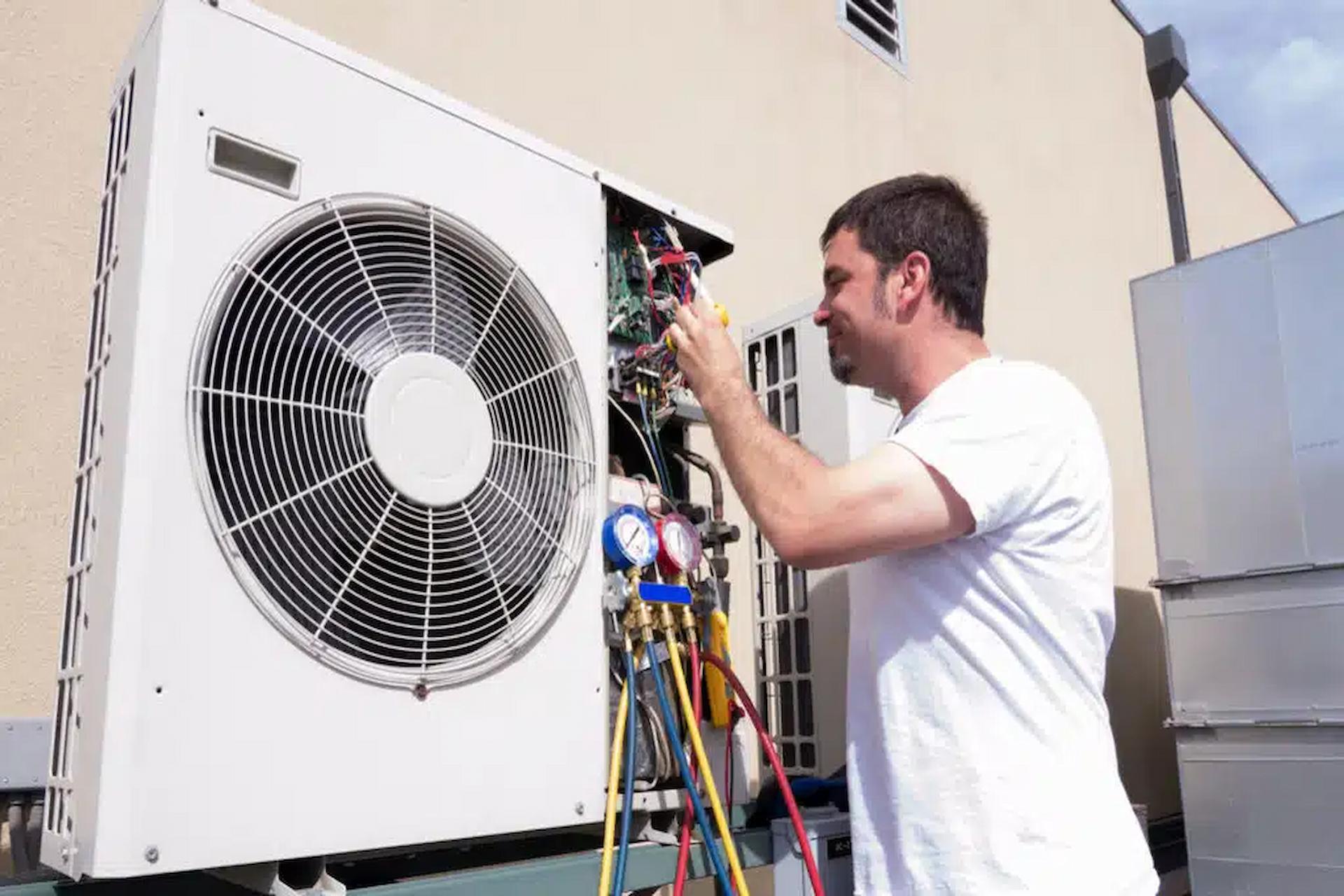
A professional maintenance visit typically includes:
- Inspecting electrical connections
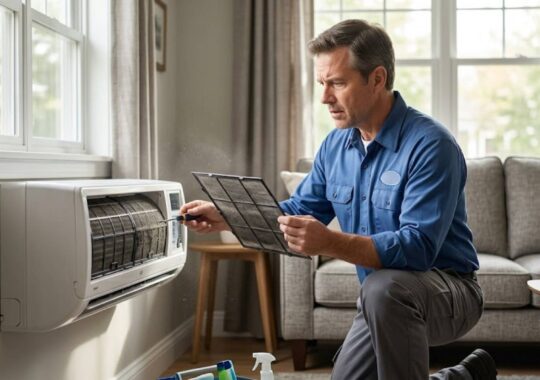
- Cleaning coils and filters
- Checking refrigerant levels
- Testing system performance
- Lubricating moving components
- Identifying small issues before they become major repairs
Routine maintenance helps improve efficiency, extends equipment life, and reduces the likelihood of unexpected breakdowns.
Working With a Qualified HVAC Professional
The decision to repair or replace shouldn’t be based on age alone. A qualified HVAC technician can evaluate your system, identify underlying issues, and explain the available options without making assumptions.
A professional assessment typically includes examining the condition of major components, measuring system performance, and discussing your home’s heating and cooling needs. This information allows homeowners to make informed decisions based on facts rather than guesswork.
Conclusion
Choosing between repairing and replacing your heating and cooling system is an important decision that depends on several factors, including the system’s age, repair history, efficiency, and overall performance. While repairs can often restore comfort and extend the life of newer equipment, older systems with recurring problems may be better candidates for replacement.
By considering both immediate costs and long-term value, homeowners can make a decision that supports comfort, energy efficiency, and reliability for years to come. Consulting an experienced HVAC professional ensures you receive an accurate assessment and recommendations that fit your home’s specific needs, helping you invest wisely in your indoor comfort.