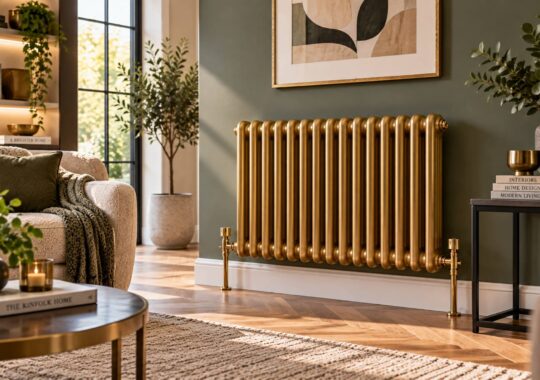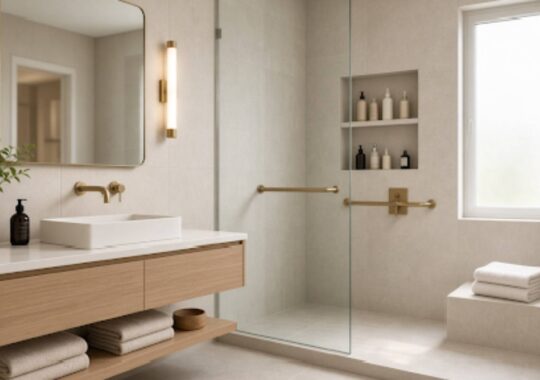
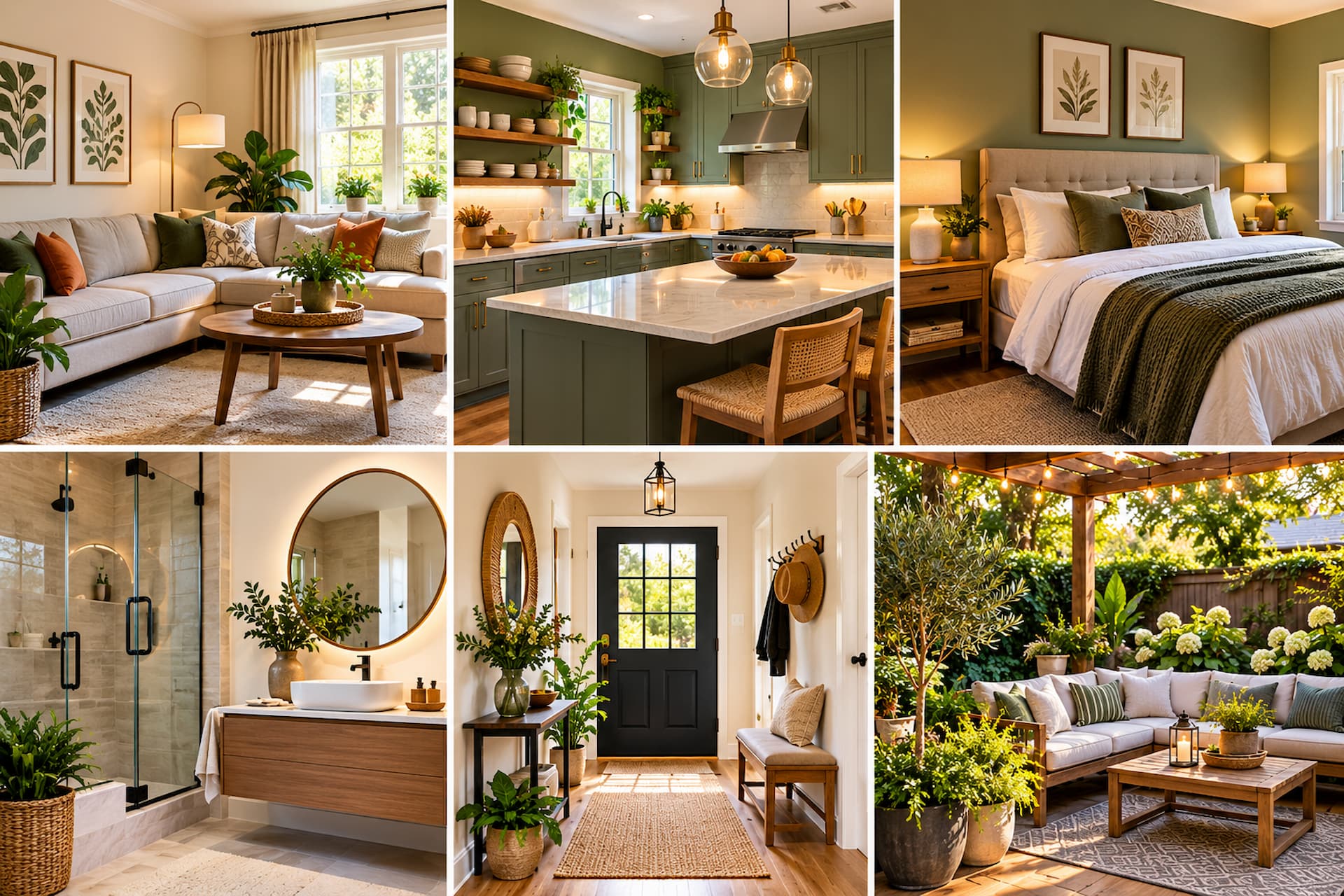
A beautiful home does not always require a major renovation or a large budget. Often, the biggest improvements come from thoughtful changes that make rooms feel brighter, more comfortable, organised, and personal. The right home transformation ideas can improve both the appearance of your space and the way you use it every day.
Before buying new furniture or choosing paint colours, look closely at how your home currently works. Which rooms feel cramped? Where does clutter collect? Is natural light being blocked? Are there areas that look unfinished or no longer suit your lifestyle? Identifying these small problems can help you make changes that have a noticeable effect without unnecessarily replacing everything.
Whether you are refreshing one room or improving your entire property, the following ideas can help you create a more beautiful, welcoming, and practical home.
Start by Clearing Unnecessary Clutter
One of the simplest home improvements is also one of the most effective: remove things you no longer need.
Too many objects can make even a large room feel smaller. Clutter also draws attention away from furniture, artwork, architectural details, and other features you actually want people to notice.
Work through your home one area at a time. Consider whether each item is useful, meaningful, or visually appealing. Items that no longer serve a purpose can be donated, sold, recycled, or stored elsewhere.
Pay particular attention to:
- Kitchen worktops
- Coffee tables
- Open shelving
- Hallways
- Bedside tables
- Bathroom surfaces
- Entryways
You do not need to create an empty, minimalist home. The aim is simply to give important objects enough space to stand out.
Use Paint to Change the Feel of a Room
Fresh paint can completely alter the atmosphere of an interior without requiring structural work.
Light, neutral shades can help small rooms feel more open, while deeper colours can bring warmth and character to larger spaces. Soft greens, warm whites, muted blues, gentle beige tones, and earthy shades can all work well when chosen carefully.
Consider how natural light changes throughout the day before committing to a colour. A shade that looks warm in a bright showroom may appear cooler in a north-facing room.
Testing paint samples on several walls is usually better than relying on a small colour card.
You can also introduce colour through:
- A feature wall
- Painted cabinetry
- Interior doors
- Alcoves
- Panelling
- Built-in shelving
These smaller areas allow you to introduce personality without overwhelming the room.
Make Better Use of Natural Light
Natural light can make interiors appear larger, fresher, and more welcoming.
Start by checking whether furniture, heavy curtains, or oversized decorative pieces are blocking windows. Moving a sofa or replacing thick window coverings with lighter curtains may immediately brighten the space.
Mirrors can also help distribute light. Positioning a large mirror near or opposite a window can reflect daylight deeper into a room.
Keep windows clean as well. It sounds simple, but dirt and marks on the glass can noticeably reduce brightness.
Where privacy is important, consider blinds, sheer curtains, or layered window treatments that provide coverage without completely blocking daylight.
Improve Your Lighting in Layers
Natural light is important during the day, but artificial lighting determines how a home feels after sunset.
Relying on one ceiling light often creates harsh illumination and dark corners. A better approach is to combine several types of lighting.
A well-balanced room may include:
- Ceiling lights for general illumination
- Floor lamps for darker corners
- Table lamps for softer evening light
- Task lighting for reading or working
- Under-cabinet lights in kitchens
- Wall lights for atmosphere
Warm lighting is often suitable for bedrooms and living areas because it creates a comfortable atmosphere. Brighter task lighting works better in kitchens, offices, and other areas where clear visibility matters.
Adding dimmer controls can also make a room more flexible.
Rearrange Furniture Before Replacing It
Before buying a new sofa, table, or storage unit, experiment with your existing layout.
Poor furniture placement can make a room feel uncomfortable even when the individual pieces are attractive. There should be clear paths for walking, enough space around major furniture, and a sensible focal point.
In a living room, that focal point might be a fireplace, window, television, artwork, or central coffee table.
Avoid automatically pushing every piece of furniture against the walls. In larger rooms, moving seating slightly inward can create a more intimate and balanced arrangement.
Small changes in furniture placement can sometimes transform the entire room without costing anything.
Introduce Texture for a More Comfortable Interior
A room can have attractive colours and furniture but still feel flat. Texture adds depth and makes interiors feel more considered.
You can introduce different textures through:
- Cushions
- Throws
- Curtains
- Rugs
- Wood
- Woven baskets
- Natural stone
- Upholstery
- Ceramics
- Plants
The key is balance. Combining a few contrasting surfaces generally works better than filling the room with many competing materials.
For example, a smooth wooden table can work beautifully alongside soft fabric seating, a textured rug, and simple ceramic accessories.
Add Indoor Plants
Houseplants provide colour, shape, and a connection with nature. They can soften hard surfaces and help empty corners look more complete.
Choose plants according to the conditions in your home rather than appearance alone. Some plants prefer bright indirect sunlight, while others tolerate lower-light spaces.
Plant size also matters. A large plant can become a striking feature in a living room, while smaller plants are useful for shelves, desks, kitchens, and bathrooms.
If maintaining real plants is difficult, good-quality artificial greenery can still add visual interest.
Create Smarter Storage
Good storage improves both appearance and everyday convenience.
When everything has a sensible place, rooms are easier to maintain and less likely to become cluttered.
Consider unused areas where storage could be introduced, including:
- Space beneath beds
- Hallway walls
- Areas beneath stairs
- Empty corners
- High wall space
- Alcoves
- Space above wardrobes
Furniture that combines storage with another purpose can be particularly useful in smaller homes. Storage benches, ottomans, shelving units, and beds with drawers help maximise available space.
Built-in storage can also make awkward spaces more useful while creating a cleaner, more finished appearance.
Refresh Your Kitchen Without Replacing Everything
Kitchen renovations can be expensive, but a full replacement is not always necessary.
If cabinets are structurally sound, changing smaller details can significantly improve the room.
Consider updating:
- Cabinet handles
- Taps
- Lighting
- Splashbacks
- Worktop accessories
- Cabinet paint
- Open shelving
- Window coverings
Keeping worktops relatively clear can also make a kitchen feel larger and easier to use.
If you are planning more substantial changes, prioritise practicality first. Attractive finishes matter, but storage, preparation space, lighting, ventilation, and movement around the kitchen have a greater effect on everyday use.
Give Your Bathroom a Simple Refresh
Bathrooms often benefit from relatively small improvements.
Replacing tired towels, shower curtains, mirrors, lighting, storage baskets, or accessories can quickly modernise the space.
Pay attention to small maintenance issues too. Stained sealant, damaged grout, dripping taps, peeling paint, or worn fixtures can make an otherwise attractive bathroom look neglected.
Simple improvements such as regrouting tiles or replacing old sealant can provide a much cleaner finish.
For visual consistency, limit the number of finishes used across taps, handles, mirrors, and accessories.
Make the Entrance More Welcoming
The entrance creates the first impression of your home, yet it is often overlooked.
Start by making the area clean and easy to move through. Shoes, coats, bags, keys, and post can quickly create clutter, so practical storage is essential.
Depending on the available space, consider adding:
- A slim console table
- Wall hooks
- Shoe storage
- A mirror
- A small bench
- A runner rug
- A table lamp
- A plant
Outside, a clean front door, visible house number, maintained pathway, and tidy planting can also improve kerb appeal.
Use Artwork and Personal Objects Carefully
Your home should reflect the people who live there.
Artwork, photographs, books, travel pieces, handmade objects, and family items can make rooms feel personal rather than staged.
However, displaying everything at once can weaken the effect. Select pieces that genuinely matter and give them enough visual space.
When hanging artwork, consider its relationship with nearby furniture. A small picture placed too high above a large sofa may look disconnected, while a larger piece or grouped arrangement may feel more balanced.
Gallery walls can work well when there is a clear relationship between the frames, colours, or subject matter.
Upgrade Soft Furnishings
Soft furnishings offer an easy way to refresh an interior without changing major furniture.
Replacing cushions, bedding, rugs, or curtains can introduce new colours and textures while making older furniture feel more current.
Try to build a consistent palette rather than matching every item perfectly. Two or three complementary colours are often enough to connect different parts of a room.
Seasonal changes can also work well. Lighter fabrics are comfortable during warmer months, while heavier throws and richer textures can make rooms feel cosier during winter.
Pay Attention to Flooring
Flooring covers a large visual area, so its condition can strongly affect the overall appearance of a home.
You do not always have to replace it. Wooden floors may benefit from professional cleaning, polishing, or refinishing. Carpets may look considerably better after a deep clean.
Rugs can help define separate areas, particularly in open-plan rooms. They can also introduce warmth, colour, and texture.
Choose a rug that is appropriately sized. A rug that is too small can make furniture appear disconnected, while a larger rug can visually bring the seating area together.
Improve Outdoor Living Areas
Your home’s usable space does not have to end at the back door.
A garden, patio, balcony, or terrace can become an additional living area with a few thoughtful improvements.
Comfortable seating is a good starting point. From there, consider lighting, planting, shade, outdoor cushions, and a suitable table.
Even a small balcony can feel inviting with:
- Compact seating
- Potted plants
- Outdoor lighting
- Vertical planting
- Weather-resistant textiles
Keep the design practical for your climate and available maintenance time.
Fix Small Details That Make a Home Look Tired
Minor defects often go unnoticed when you see them every day, but together they can make an interior look poorly maintained.
Walk through your home and look specifically for:
- Loose handles
- Scuffed walls
- Chipped paint
- Cracked sealant
- Broken switches
- Damaged skirting boards
- Uneven cabinet doors
- Worn door hardware
- Loose curtain fittings
Repairing these issues can make rooms feel much more polished.
It is often better to complete these basic maintenance jobs before spending money on decorative accessories.
Create a Consistent Flow Between Rooms
Every room does not need to look identical, but your home should feel connected.
Repeating certain colours, materials, wood tones, or finishes can create visual continuity. For example, similar flooring through connected spaces can make a home feel larger.
You can also repeat smaller elements, such as black hardware, warm wood, brass details, soft green accents, or similar fabrics.
Consistency is particularly useful in open-plan homes where several functional areas can be seen at the same time.
Transform One Area at a Time
Trying to redesign an entire home at once can quickly become expensive and overwhelming.
Instead, focus on the area that causes the most frustration or offers the greatest improvement.
For example, you might begin with the living room by:
- Removing clutter.
- Reconsidering the furniture layout.
- Repairing damaged areas.
- Painting the walls.
- Improving lighting.
- Adding textiles and artwork.
- Reviewing the finished room before buying anything else.
Working in stages also allows you to understand which improvements genuinely make a difference.
Home Transformation Ideas on a Small Budget
A limited budget does not prevent you from making meaningful changes.
Some affordable home makeover ideas include:
- Rearranging existing furniture
- Decluttering surfaces
- Painting one wall
- Replacing cabinet handles
- Adding second-hand furniture
- Moving artwork between rooms
- Introducing plants
- Changing cushion covers
- Cleaning carpets and flooring
- Replacing damaged sealant
- Updating lampshades
- Reusing furniture in a different room
Spend more on items that receive frequent use, such as mattresses, sofas, flooring, and practical storage, rather than buying large numbers of decorative accessories.
Frequently Asked Questions
What is the easiest way to transform a home?
Start with decluttering, cleaning, furniture rearrangement, and fresh paint. These changes can noticeably improve a room without requiring structural work or a large budget.
How can I make my home look more expensive?
Focus on good lighting, consistent finishes, well-sized curtains and rugs, uncluttered surfaces, balanced furniture placement, and proper maintenance. A carefully finished room often looks more refined than one filled with expensive accessories.
How can I make a small room look bigger?
Use lighter colours, maximise natural light, choose furniture that suits the room’s scale, reduce unnecessary clutter, and use mirrors strategically. Keeping clear walking routes can also make the room feel more open.
Should every room in my home have the same colour scheme?
No. Rooms can have their own personalities while still sharing certain colours, materials, or finishes. Repeating a few visual elements helps create a sense of continuity throughout the home.
What should I renovate first?
Prioritise repairs, safety issues, moisture problems, plumbing, electrics, insulation, and other essential work before cosmetic improvements. Once practical problems are resolved, focus on the rooms you use most frequently.
Conclusion
Creating a more beautiful home is less about following trends and more about making thoughtful choices that suit your space and daily life. Better lighting, sensible storage, comfortable furniture, well-chosen colours, natural materials, and careful maintenance can transform how a home looks and feels.
Begin with practical improvements before moving on to decoration. Remove what is unnecessary, repair what is worn, and improve how each room functions. Then add colour, texture, artwork, plants, and personal details that make the space feel like your own.
A successful home transformation does not need to happen all at once. Small, considered improvements made over time can create a home that feels comfortable, attractive, organised, and genuinely enjoyable to live in.