A tightly sealed home can retain heat during winter and keep cool air indoors during summer, but limited airflow may also allow odors, moisture, and airborne pollutants to accumulate. Opening windows can improve ventilation, yet it may also introduce outdoor humidity, pollen, and temperature extremes that make indoor comfort harder to maintain.
Heat and energy recovery ventilation systems offer another approach by exchanging stale indoor air with fresh outdoor air while transferring energy between the two air streams. For homeowners considering heat and energy recovery ventilation in Milton, WI, understanding how these systems operate can help determine whether this technology suits their home’s construction, ventilation needs, and seasonal comfort requirements.
How Do Heat and Energy Recovery Ventilation Systems Work?
Heat recovery ventilators (HRVs) and energy recovery ventilators (ERVs) use a heat exchanger to transfer energy between incoming outdoor air and outgoing indoor air. The two air streams remain separate, allowing the system to recover some of the energy that would otherwise be lost during ventilation.
During cold weather, warm exhaust air transfers heat to the incoming outdoor air before it enters the home. During warm weather, the process can help reduce the heat entering with fresh air, easing some of the demand on the air conditioning system.
A recovery ventilator typically uses fans, filters, and dedicated air passages to move air through the unit. Depending on the design, the system may connect to existing HVAC ductwork or use separate ventilation ducts to distribute fresh air and remove stale air.
Although recovery ventilation reduces energy losses, it does not eliminate them. Its effectiveness depends on equipment design, installation quality, operating conditions, and the difference between indoor and outdoor temperatures.
What Is the Difference Between an HRV and an ERV?
HRVs and ERVs perform a similar ventilation function, but they differ in how they handle moisture.
An HRV transfers sensible heat, meaning heat associated with temperature differences. It can preheat incoming cold air in winter and help limit heat entering during summer. However, it does not specifically transfer moisture between air streams.
An ERV transfers both sensible heat and some moisture. This additional capability can help moderate indoor humidity when outdoor conditions are humid or when indoor moisture levels need to be managed.
The right option depends on the home’s climate, existing ventilation, occupancy, and moisture conditions. Wisconsin homes experience cold winters and can experience humid summers, so both temperature and humidity deserve consideration. An ERV may suit homes where moisture transfer is beneficial, while an HRV may be appropriate when heat recovery is the primary objective.
Neither system replaces proper humidity control, air filtration, or source control for pollutants. Each addresses a particular part of the indoor air quality equation.
Why Recovery Ventilation Matters in Energy-Efficient Homes
Modern homes often use insulation, air sealing, and efficient windows to reduce unwanted heat transfer. These features can improve energy performance, but they may also reduce the amount of outdoor air entering through natural leakage.
Without adequate ventilation, indoor contaminants can accumulate. Cooking, cleaning products, furnishings, pets, and everyday activities all contribute to indoor air pollution or moisture. Bathrooms, kitchens, and laundry areas can also generate humidity that needs to be managed.
A properly designed recovery ventilation system helps maintain a controlled exchange of indoor and outdoor air without relying entirely on open windows or uncontrolled drafts. By recovering part of the energy from exhaust air, it can also reduce the heating and cooling penalty associated with bringing in outdoor air.
However, ventilation equipment is not a substitute for removing pollutants at their source. Kitchen exhaust fans, bathroom fans, appropriate filtration, and prompt repairs for moisture problems remain important parts of an effective indoor air quality strategy.
Signs Your Home May Need Better Ventilation
Persistent indoor air problems can have several causes, so they should not automatically be attributed to insufficient ventilation. Nevertheless, certain conditions may indicate that your home’s existing airflow needs assessment.
Common warning signs include:
- Stale or lingering odors that persist despite regular cleaning.
- Frequent window condensation, particularly during cold weather.
- Indoor spaces that feel stuffy when windows and exterior doors remain closed.
- Humidity that stays high despite using bathroom and kitchen exhaust fans.
- Uneven airflow or rooms that receive little fresh air.
These symptoms can also result from plumbing leaks, inadequate insulation, poor drainage, HVAC problems, or excessive indoor moisture. Condensation, for example, may indicate high humidity or cold window surfaces rather than a ventilation issue alone.
If occupants experience persistent respiratory irritation or other concerning symptoms, consider discussing them with a healthcare professional while arranging an appropriate assessment of the indoor environment.
What Should You Consider Before Installing a Recovery Ventilator?
Choosing a recovery ventilation system requires more than comparing equipment labels. The home’s size, occupancy, layout, existing ductwork, and ventilation requirements all influence the appropriate design.
A professional assessment should consider the amount of outdoor air needed, where stale air should be removed, and how fresh air will reach occupied rooms. Airflow must be balanced so that the system supplies and exhausts appropriate amounts of air under normal operating conditions.
Noise, filter accessibility, available installation space, and condensate drainage may also affect equipment selection and placement. Some systems require additional ductwork, while others may integrate with suitable existing HVAC arrangements.
Homeowners researching heat and energy recovery ventilation in Milton, WI, should also ask how the proposed equipment will perform under local seasonal conditions and what routine maintenance it requires. A system that is poorly sized, incorrectly balanced, or unsuitable for the home’s moisture conditions may not deliver the expected comfort or energy benefits.
How to Maintain Performance and Avoid Energy Waste
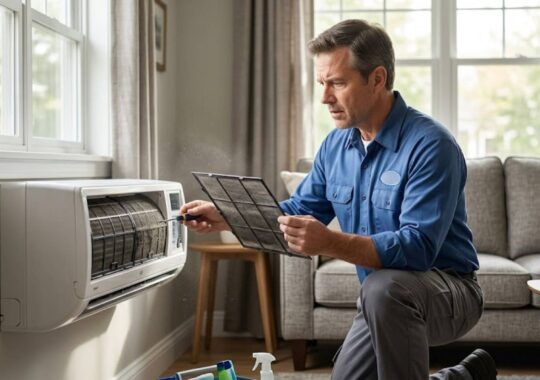
Recovery ventilators need regular attention to maintain airflow and energy recovery performance. Dust accumulation, blocked filters, dirty heat-exchange surfaces, and obstructed outdoor air intakes can restrict ventilation and reduce efficiency.
Check the manufacturer’s maintenance instructions for filter inspection and replacement intervals. Keep outdoor intake and exhaust openings clear of leaves, snow, and other obstructions. If the unit has a condensate drain, ensure it remains clear and functions as intended.
Professional maintenance may be useful when airflow appears weak, unusual noises develop, condensation occurs inside the equipment, or indoor air quality does not improve as expected. A technician can inspect the unit, check airflow balance, and determine whether ductwork or controls need attention.
Homeowners should also monitor indoor humidity and continue maintaining their heating and cooling equipment. Recovery ventilation works best as part of a coordinated approach to home comfort rather than as a standalone solution.
Final Thoughts
Recovery ventilation helps balance fresh air, indoor comfort, and energy efficiency by exchanging stale air while recovering some of its heat or moisture. Selecting between an HRV and an ERV requires attention to the home’s ventilation needs, seasonal climate, humidity levels, and existing HVAC arrangement.
Before investing in new equipment, arrange an assessment of your home’s airflow and indoor air quality concerns. Discuss suitable system options, installation requirements, maintenance needs, and expected performance with a qualified HVAC professional to make an informed decision that supports comfortable, efficient ventilation throughout the year.